
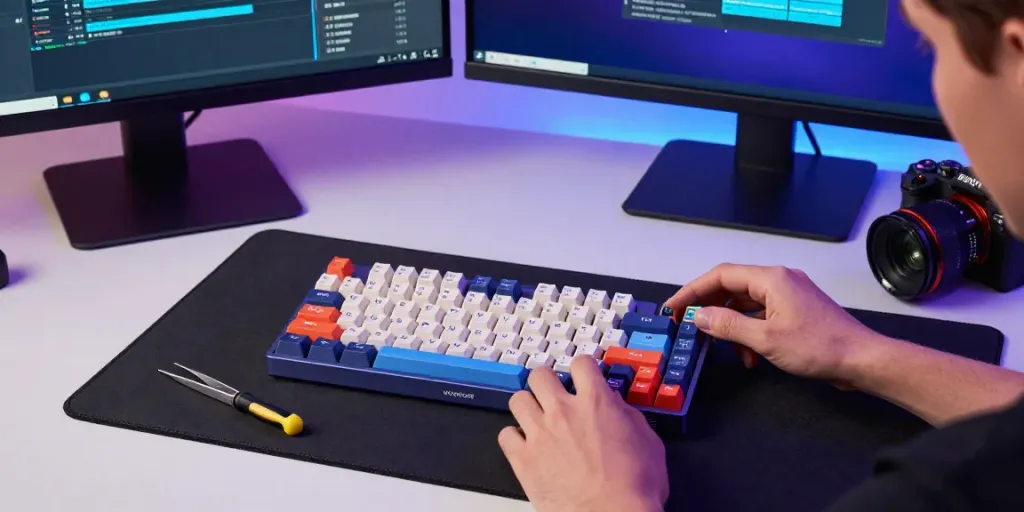
Understanding the H60 Case for Wooting
The H60 case for Wooting is a critical component in customizing your keyboard, providing both aesthetic appeal and functional benefits. As the demand for personalized mechanical keyboards grows, enthusiasts and gamers alike seek options that not only fit their typing style but also reflect their personality. This guide helps you understand the intricacies of the H60 case and how it can enhance your Wooting experience. When exploring options, H60 case for Wooting provides comprehensive insights into available features and customization possibilities.
What is the H60 Case?
The H60 case is a specially designed housing for mechanical keyboards, tailored to accommodate 60% keyboard layouts like the Wooting 60HE and its variants. It offers an elegant yet sturdy enclosure that enhances the overall durability of the keyboard while allowing for extensive customization. The case caters to both aesthetics and performance, making it an essential element for users looking to optimize their keyboard experience.
Benefits of Customizing with the H60 Case
- Personalization: Users can choose colors, materials, and designs that resonate with their style, ensuring their keyboard is truly one of a kind.
- Improved Durability: The H60 case typically features robust materials like aluminum, which protect the internal components of the keyboard from damage.
- Enhanced Modularity: Customizing with an H60 case often allows easy access to internal components, making upgrades and repairs hassle-free.
- Better Typing Experience: The case can influence the acoustics and overall typing feel, with options for dampening or sound-enhancing materials.
Compatibility Overview for Wooting Models
When selecting an H60 case, ensuring compatibility with your specific Wooting model is crucial. The H60 case generally supports various Wooting configurations, including the Wooting 60 and Wooting 60HE. Users should verify dimensions and mounting styles to ensure a seamless fit, as different keyboard layouts may have unique requirements.
Choosing the Right Features for Your H60 Case
Essential Features to Look For
Not all H60 cases are created equal. When considering which one to purchase, keep an eye out for the following essential features:
- Material Quality: Look for cases made from high-grade materials like aluminum or reinforced plastic to ensure longevity.
- Mounting Style: Consider whether you prefer tray-mounted or top-mounted styles, as they affect the keyboard’s assembly and feel.
- Weight: A heavier case can provide stability during typing, reducing unwanted movement.
- USB Port Placement: Ensure the case design accommodates your preferred USB connection without obstruction.
Popular Aesthetic Options for Your Build
Aesthetics play a significant role in the appeal of a customized keyboard. Here are some popular design choices for the H60 case:
- Color Variants: From matte black to vibrant color options, choose a finish that complements your workspace.
- Custom Engravings: Personalized engravings can add a unique touch, making your keyboard reflect your personality or brand.
- Transparent Cases: Clear cases allow users to showcase their internal components and RGB lighting options.
Performance Enhancements through Material Selection
Choosing the right material for your H60 case can significantly impact performance. Aluminum cases tend to be preferred among enthusiasts for their balance of weight and durability. Conversely, plastic cases may be lighter but often lack the same level of protection and premium feel. Knowing the pros and cons of different materials will guide you to make an informed decision that aligns with your priorities.
DIY Assembly: Step-by-Step Guide
Gathering Required Tools and Materials
Before diving into the assembly of your H60 case, ensure you have the following tools and materials at your disposal:
- Screwdriver set (preferably magnetic to handle small screws)
- Keycap puller for easy key removal
- Lubricant for switches if applicable
- Anti-static wrist strap to avoid static damage to electronic components
- Your selected H60 case and Wooting keyboard components
Step-by-Step Assembly Process
- Disassemble the Wooting Keyboard: Carefully remove the keycaps and disconnect any cables.
- Install the PCB into the H60 Case: Follow the mounting instructions provided with the case to securely fit the PCB.
- Connect Switches and Stabilizers: Insert switches into the PCB and attach stabilizers where needed.
- Connect Cables: Ensure all connections are secure before closing the case.
- Close the Case: Use screws to secure the top and bottom halves of the H60 case, ensuring no components are pinched.
- Test Your Keyboard: Before fully reassembling, test the keyboard to ensure functionality.
Common Mistakes to Avoid During Assembly
Even seasoned builders can run into issues when assembling their H60 case. Avoid these common pitfalls:
- Not double-checking compatibility between the PCB and case
- Over-tightening screws, which can damage components
- Forgetting to test the keyboard before fully closing the case
- Neglecting to organize screws and tools, leading to confusion during assembly
Enhancing Your Keyboard Experience
Custom Keycaps: Choosing the Right Style
Replacing stock keycaps with custom options can dramatically alter the look and feel of your Wooting keyboard. Factors to consider include profile (such as SA or DSA), material (PBT vs. ABS), and the artwork or design. Choose a keycap set that harmonizes with your H60 case while also aligning with your typing preferences.
Switch Selection for Optimal Performance
The type of switches you choose will have a significant impact on your typing experience. Wooting offers a range of options from linear to tactile and clicky switches. For an optimal experience, consider your usage—gaming typically favors linear switches for speed, while typing may benefit from tactile feedback.
Additional Accessories to Complete Your Setup
To further enhance your keyboard, consider integrating additional accessories such as:
- Wrist Rests: These can improve comfort during long typing sessions.
- Custom Mouse Pads: Match your keyboard aesthetics with a complementary mouse pad.
- RGB Lighting: If your case allows it, custom lighting can enhance the visual appeal of your setup.
Future Trends in Mechanical Keyboards for 2026
Emerging Innovations in Keyboard Technology
The landscape of mechanical keyboards is continuously evolving, with exciting developments on the horizon. In 2026, we can expect to see advancements such as:
- Smart Keyboards: Integrations with AI for personalized typing experiences.
- Sustainability: Increased use of eco-friendly materials in keyboard manufacturing.
- Modular Designs: Greater emphasis on modular components, allowing for easy upgrades and customization.
Environmental Considerations for Case Materials
With growing environmental awareness, manufacturers may increasingly adopt sustainable practices. Look for H60 cases made from recycled materials or those that are designed for easy disassembly to promote recycling at the end of their lifecycle.
Community Trends: What to Expect Next?
The keyboard enthusiast community continues to thrive, with trends toward collective customization projects and sharing designs. In the near future, look for an increase in community-created designs, allowing users to vote on the next great keyboard aesthetic or functional feature.
What are the best cases for Wooting?
The best cases for Wooting will depend on personal preferences regarding aesthetics, material quality, and functionality. Options like the Holy60 case and the Alumaze60 are highly recommended for their compatibility and aesthetic appeal.
How does the H60 case improve my keyboard?
The H60 case enhances your keyboard’s durability, allows for customization, and influences the overall typing experience and acoustics, promoting a more enjoyable usage experience.
Can I customize my H60 case?
Yes, the H60 case is designed for customization, with options for colors, materials, and engravings that allow you to create a unique keyboard that reflects your personal style.
What materials are used in H60 cases?
H60 cases are commonly made from materials like aluminum for a premium feel and durability or high-quality plastic options for budget-friendly builds.
How do I assemble the H60 case for Wooting?
Assembly involves carefully fitting the Wooting keyboard's PCB into the H60 case, securing switches, and connecting cables. Detailed step-by-step guidance can streamline the process and minimize errors.