

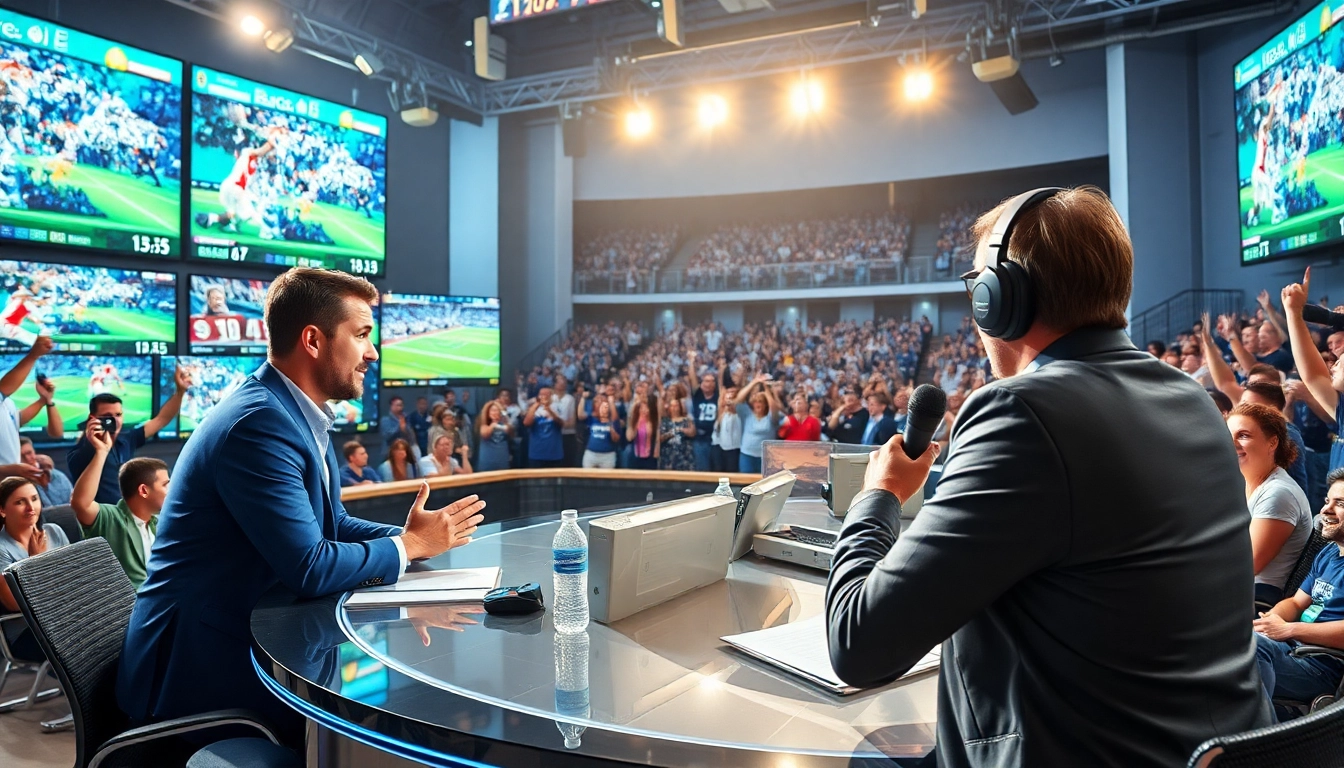
The Fundamentals of Sports Broadcasting
Understanding Sports Broadcasting Basics
Sports broadcasting represents the union of sports and media, allowing fans to engage with their favorite teams and events from anywhere in the world. This fascinating field not only encompasses how games are reported but also how they are experienced through various digital platforms. The rise of Sports Broadcasting has transformed traditional viewing habits, enhancing the way audiences consume live sporting events.
At its core, sports broadcasting includes live commentary, analysis, pre-game, and post-game shows, as well as highlights that help deliver the overall experience of sports to fans. Understanding the intricate workings of this industry is crucial for any aspiring broadcaster. Key elements such as legal rights, audience engagement, and timing play a vital role in how and when broadcasters deliver their content.
The Role of Technology in Sports Broadcasting
Technology has revolutionized sports broadcasting, enhancing the experience for both broadcasters and viewers alike. High-definition cameras, advanced graphics systems, and real-time data analytics have introduced a new level of sophistication to games. As viewers expect clearer images, interactive graphics, and seamless multi-platform access, broadcasters must invest in state-of-the-art technology.
Broadcasting now includes features such as virtual reality (VR) experiences allowing fans to feel like they are part of the game. Innovations like instant replay and augmented reality (AR) add depth to the narration, making it possible to engage spectators like never before. The proper integration of these technologies is crucial for modern broadcasters looking to stay competitive in an ever-evolving landscape.
Key Skills for Successful Sports Broadcasters
Successful sports broadcasters possess a diverse skill set that goes beyond simply reporting game facts. Firstly, strong communication skills are essential—broadcasters must articulate play-by-play action and provide insightful commentary. Additionally, understanding the nuances of different sports helps create a more engaging narrative for viewers.
Moreover, adaptability is critical; broadcasters often need to adjust their coverage based on the flow of a game or a sudden change in events. Technical skills, including familiarity with broadcasting equipment and software, play a significant role in delivering quality content. Finally, a genuine passion for sports fosters an authentic connection with the audience, essential for retention and engagement.
Types of Sports Broadcasting Formats
Live Sports Broadcasting: Real-Time Coverage
Live sports broadcasting is the heartbeat of the sports media industry. It includes real-time coverage of games, events, and matches where broadcasters deliver play-by-play commentary. Viewers tune in not only for the game but for the overarching experience that live commentary, analysis, and discussions provide.
From local high school games to international championships, live broadcasts facilitate immediate interaction with the audience, allowing fans to feel the excitement as it unfolds. Advanced production teams utilize multiple cameras, instant replay capabilities, and on-site reporters to capture every angle of the action.
Pre-Game and Post-Game Shows Explained
Pre-game and post-game shows are essential components of sports broadcasting, serving as a platform for analysis and commentary. Pre-game shows build anticipation, featuring expert opinions, strategies, and player interviews that set the stage for the event ahead. These shows are crucial for providing context and enhancing viewer understanding of the upcoming match-ups.
Post-game shows flip the script, focusing on the analysis of what transpired during the game. They often include interviews with players and coaches, recap highlights, and breakdowns of performance metrics, allowing fans to gain insights into the outcomes. Together, these shows enhance viewer experience, creating a complete narrative around the event.
Special Events and Highlights Compilation
Special events and highlights compilations offer broadcasters the opportunity to showcase the best moments in sports history or recap exciting games. Highlight reels can condense an entire game into essential plays and critical moments, catering to viewers who may not have time to watch full broadcasts. These compilations also become nostalgic, allowing fans to relive significant memories.
Furthermore, themed broadcasts such as tournaments or league specials bring a heightened sense of drama and excitement to coverage, allowing audiences to connect with the sport on a deeper level. Creating compelling highlight compilations requires meticulous editing and an acute understanding of the audience’s emotional triggers.
Essential Tools and Equipment for Sports Broadcasting
Microphones and Audio Equipment Overview
The backbone of effective sports broadcasting is high-quality audio. Microphones capture the nuances of commentary, player interviews, and on-field sounds that create a rich listening experience for the audience. Various types of microphones—including handheld, lapel, and boom mics—serve different purposes and settings.
Moreover, audio mixing equipment is vital for maintaining sound balance, ensuring that commentary, background sounds, and audience reactions are all harmonized for optimal clarity. Good audio quality is paramount, as poor sound can detract from even the most thrilling visuals.
Cameras and Visual Equipment in Broadcasting
Cameras are crucial in capturing the action and creating an engaging viewer experience. High-definition cameras provide clarity and detail, while specialized cameras, such as those for slow-motion and aerial footage, add depth to broadcasts. Operators must be skilled in positioning these cameras to obtain the best angles and shots throughout a game.
In addition to cameras, visual equipment, including drones and stabilizers, can enhance production quality and provide unique perspectives that resonate with audiences. Camera operators must maintain a keen awareness of the action to ensure they capture pivotal moments as they occur.
Software Solutions for Editing and Production
Editing and production software is vital for creating polished sports broadcasts. Programs such as video editing software improve the overall quality of content before it airs, enabling editors to produce engaging highlight reels and pre-packaged segments. Live broadcasting software allows teams to manage the flow of the broadcast in real-time.
Incorporating graphics and special effects during post-production elevates professional quality. Broadcasters often use these tools to provide dynamic visual content, including scoreboards and statistics, enhancing viewer engagement and information retention.
Engaging Your Audience in Sports Broadcasting
Creating Compelling Storylines in Sports Coverage
One of the most significant aspects of sports broadcasting is the art of storytelling. Creating compelling storylines around athletes, teams, and events keeps viewers emotionally invested in what they watch. Broadcasters must dig deeper than just statistics, exploring player backgrounds, rivalries, and defining moments that add depth to the coverage.
For instance, chronicling a player’s journey through adversity or highlighting the historical significance of a particular game can transform mere game coverage into a narrative that resonates profoundly with audiences. Such storylines have the power to foster a passionate fanbase and generate buzz across various platforms.
Utilizing Social Media for Greater Reach
Social media platforms have become indispensable tools for sports broadcasters, allowing them to reach wider audiences and engage with fans in real-time. Platforms such as Twitter, Instagram, and TikTok enable broadcasters to share snippets of coverage, behind-the-scenes content, and interactive polls that foster community-building.
Additionally, live streaming events, Q&A sessions, and player interactions result in enhanced engagement. This multi-directional communication approach allows for a transition from traditional broadcasting, creating a more personal fan experience that encourages dialogue and conversation.
Interactive Audience Engagement Techniques
Interactive techniques help elevate the audience’s experience, providing fans with opportunities to engage beyond just viewing. Techniques such as live polling during broadcasts, fantasy sports integration, and gamification options create an immersive atmosphere where fans feel involved in the event. This participatory approach increases loyalty and viewer retention.
Broadcasters can also leverage apps and online platforms to facilitate discussions amongst fans, generate predictions, and share opinions in real-time. This direct interaction plays a vital role in keeping the business model of sports broadcasting relevant in a rapidly changing industry.
Evaluating Success in Sports Broadcasting
Metrics and Analytics for Sports Broadcasters
Success in sports broadcasting can be quantified through various key performance metrics. Audience ratings, viewer engagement levels, social media activity, and content reach all serve as valuable indicators of performance. By consistently tracking these analytics, broadcasters can adjust their strategy to better meet the needs and preferences of their audience.
Moreover, conducting surveys and focus groups can provide deeper insights into viewer satisfaction and content preferences. This data-driven approach is essential for sustained success in a highly competitive environment, enabling broadcasters to refine their content accordingly.
Feedback Mechanisms to Improve Broadcasting Quality
Engaging with audiences for direct feedback is integral to improving the overall quality of broadcasts. Platforms such as social media, surveys, and live interaction tools can help gather viewer opinions about specific elements, such as presentation style or production quality. Embracing constructive criticism helps broadcasters evolve and keep up with viewer expectations.
Incorporating viewer feedback can also lead to innovations and improvements in coverage methods. By being proactive in seeking audience opinions, broadcasters can create a feedback loop that keeps the programming relevant and engaging.
Staying Relevant in the Evolving Sports Landscape
The landscape of sports broadcasting continues to evolve, influenced by changing technology, audience preferences, and new media platforms. Staying relevant requires broadcasters to adapt quickly, embrace new trends, and innovate in their storytelling techniques. Continuous learning, networking within the industry, and exploring emerging technologies enable broadcasters to remain ahead of the curve.
Additionally, following shifts in consumer behavior, such as the popularity of streaming services, while offering flexible viewing formats can enhance market competitiveness. As the industry transforms, so must the strategies employed by broadcasters to ensure longevity and success.
FAQs
What is sports broadcasting?
Sports broadcasting involves the live coverage, commentary, and analysis of sporting events. It combines media and sports to enhance viewer engagement and experience through varied platforms.
What skills are needed for sports broadcasters?
Key skills include strong communication, adaptability, technical knowledge of broadcasting equipment, and a passion for sports to connect authentically with audiences.
How has technology impacted sports broadcasting?
Technology enhances broadcasts through HD cameras, VR experiences, instant replay, and live data analytics, improving audience interaction and viewing quality.
What are pre-game and post-game shows?
Pre-game shows offer insights, analysis, and anticipation before events, while post-game shows recap the game’s highlights and provide expert analysis of performances.
How to engage an audience in sports broadcasting?
Engagement strategies include creating compelling storylines, leveraging social media, offering interactive experiences, and seeking direct feedback from the audience for improvement.