
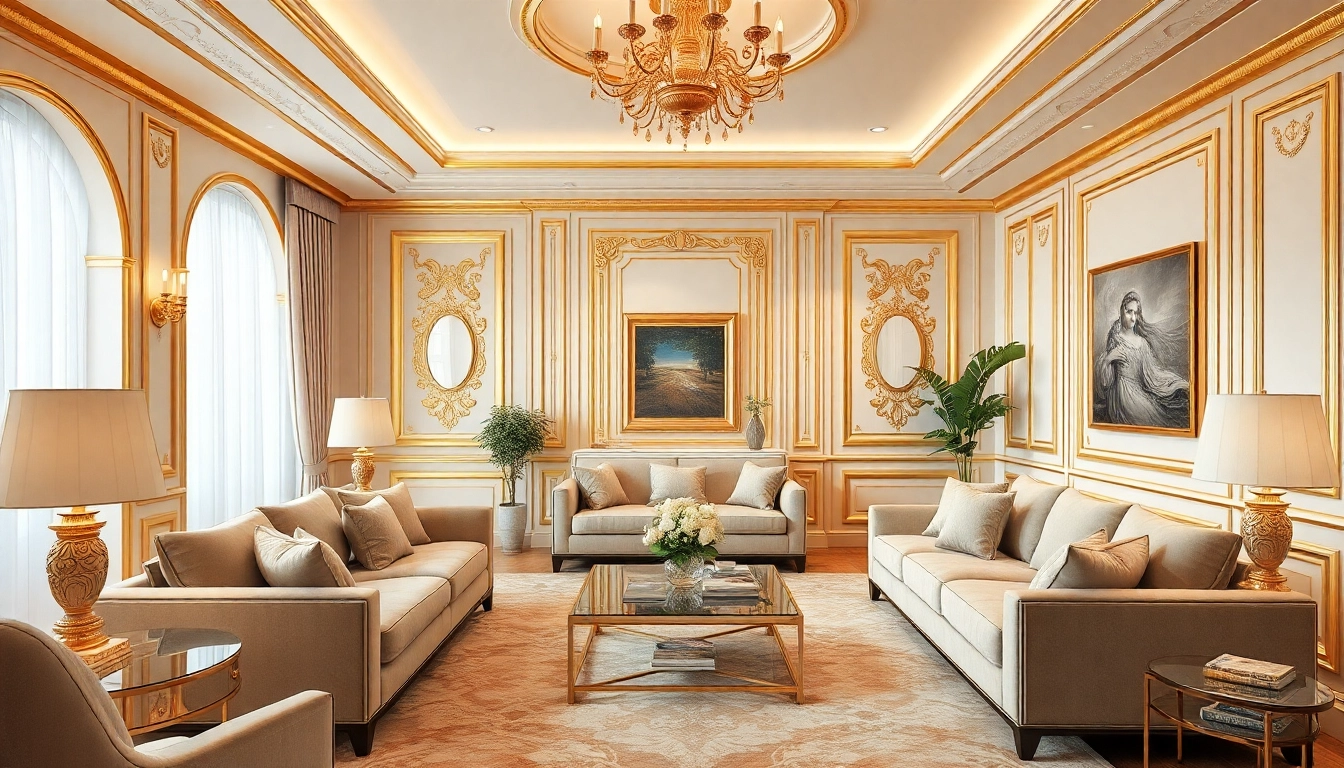
What is Luxury?
Luxury, often seen as a hallmark of wealth and sophistication, transcends mere extravagance. In a world evolving at an unprecedented pace, defining luxury is as complex as it is paramount. Understanding the nuances of luxury is essential, not only for consumers seeking high-quality goods but also for businesses striving to position themselves within this elite market. Luxury isn’t just about high prices; it’s a lifestyle steeped in quality, exclusivity, and emotional appeal. It embodies experiences that provide a sense of comfort and indulgence beyond the essentials. For a more comprehensive understanding, let’s explore the foundational aspects of luxury, beginning with its modern interpretations.
Defining Luxury in Modern Terms
The term “luxury” has evolved significantly over time. In contemporary discourse, it often refers to luxury goods and services that promise exceptional quality, craftsmanship, and an emotional connection. Brands positioned in the luxury sector harness the power of storytelling, exclusivity, and polarizing pricing strategies to create products that not only satisfy needs but also evoke desire and aspiration. Luxury today encapsulates a lifestyle and status symbol, often reflected in experiences rather than mere possessions.
The Historical Context of Luxury Goods
Historically, luxury goods have been a reflection of societal hierarchies. From the opulent attire of Renaissance monarchs to the ornate furnishings of Victorian high society, luxury has always been about distinction and often, the flaunting of wealth. In ancient times, luxury meant exclusive access to rare materials, fine craftsmanship, and significant cultural importance. Today, while the fundamentals remain, the emphasis has shifted towards personalization, sustainability, and ethical consumption.
Luxury vs. Necessity: Understanding the Differentiation
At its core, the distinction between luxury and necessity lies in the perception of value. Necessities cater to survival and basic comfort; luxuries cater to desires and aspirations. While a sturdy jacket is a necessity against the elements, a designer handbag transforms this function into a statement of style and exclusivity. In understanding luxury, one must appreciate that it operates on a spectrum of personal choice, cultural context, and economic standing, often defined by individual taste and aspirations more than by any objective measure.
The Economics of Luxury
Luxury goods occupy a unique niche in economic theory, particularly correlated to consumer behavior as income levels fluctuate. An analysis of this economy reveals intricate patterns of demand that are crucial for stakeholders within this sector.
How Income Affects Demand for Luxury Goods
The demand for luxury goods is intrinsically linked to income levels. As individuals’ earnings increase, so does their propensity to spend on non-essential goods, particularly items that signify status, exclusivity, and personal success. Luxury goods, by definition, often see demand growth that outstrips the average growth rate due to their unique positioning. This is particularly evident in emerging economies, where a burgeoning affluent class is paving the way for a significant increase in luxury consumption.
Luxury Tax Implications on Consumption
Luxury taxes implemented in various jurisdictions aim to regulate the consumption of high-cost items while fostering a safer economy. These taxes typically target items considered non-essential—such as high-end automobiles and extravagant jewelry. However, the effect of luxury taxation is multifaceted; while it can deter some spending, it can also embolden brands to innovate and provide even more exclusive offerings for consumers less sensitive to price changes.
Market Trends in Luxury Spending
In recent years, the luxury goods market has witnessed several transformative trends. One notable trend is the growing interest in sustainable luxury. Consumers are becoming increasingly discerning, often preferring brands that align with their values of sustainability and ethical sourcing. Additionally, digital transformation has irrevocably changed the landscape, with online luxury shopping gaining momentum, necessitating that brands adapt to evolving consumer behaviors and expectations.
Luxury Brands and Their Identity
The identity of luxury brands is crafted through various components including history, craftsmanship, exclusivity, and an emotional connection with their clientele. The strategy behind forming a luxury brand goes well beyond just selling products; it’s about fostering a distinct narrative and experiential journey.
The Role of Brand Story in Luxury Marketing
Every luxury brand has a unique narrative that resonates with its audience. The brand story is not merely background; it’s integral to its appeal. It encompasses the brand’s heritage, values, and vision, allowing consumers to connect on a personal level with the products. Successful luxury brands leverage storytelling as a critical component of their marketing strategies; they produce content that encapsulates both heritage and modernity, thus appealing to generations of consumers.
Signature Elements that Define Luxury Brands
Luxury brands utilize signature elements that evoke exclusivity. These may include limited product releases, bespoke services, and the use of premium materials. Such strategies are designed to create urgency and desire, turning simple purchases into aspirational conquests. In addition to product elements, the branding and experiential aspects—like meticulous customer service and immersive store environments—further reinforce their luxury status.
Case Studies of Successful Luxury Brand Strategies
Brands such as Louis Vuitton and Chanel illustrate the successful application of luxury branding strategies. Louis Vuitton, for instance, has adeptly combined heritage with innovation, frequently collaborating with contemporary artists while retaining loyalty through its classic offerings. Chanel, on the other hand, emphasizes its timeless quality and the visionary legacy of its founder, Coco Chanel, creating a compelling narrative that bridges past and present. Each case shows how a coherent brand strategy can transform an identity into a coveted luxury symbol.
Consumer Behavior in Luxury Shopping
Understanding who buys luxury goods is vital to tailoring offerings and marketing strategies. Insights into consumer behavior reveal vital demographic trends, psychological motivators, and emerging preferences in luxury consumption.
Who Buys Luxury Goods? Understanding the Demographics
While often aligned with higher economic demographics, luxury consumers are diverse. Wealthy consumers are primarily found in urban centers worldwide, but age and culture also influence luxury purchasing behavior. Millennials and Gen Z, representing the future of luxury shopping, seek authenticity, brand purpose, and experiences over mere ownership.
The Psychology Behind Luxury Purchases
Psychologically, luxury purchases fulfill desires associated with prestige, status, and self-esteem. Consumers often associate luxury products with success and exclusivity, reinforcing their social identity and self-image. The “affective” value that luxury items provide often outweighs their practical benefits, underscoring the emotional resonance of such purchases.
Trends in Sustainable Luxury Consumption
With shifting values towards sustainability, many consumers are now seeking brands that not only meet luxury standards but also uphold principles of ethical production and environmental responsibility. Brands that adopt sustainable practices can foster loyalty, reaching a segment of consumers who prioritize eco-friendliness alongside exclusivity.
The Future of Luxury
The luxury market is at a crossroads, facing numerous trends and innovations that are poised to reshape its future. As consumer preferences evolve, brands must stay ahead of the curve to retain relevance and ensure growth in an increasingly competitive landscape.
Innovations that Shape the Luxury Market
Innovation in materials, technology, and service has begun to dominate the luxury market frontier. Advances in sustainable textiles, digital design innovations, and personalized shopping experiences are becoming crucial for attracting modern luxury consumers. Brands that leverage technology, such as augmented reality or artificial intelligence to enhance customer experience, are expected to flourish.
Globalization and Luxury Brand Expansion
As globalization continues to weave markets together, luxury brands are increasingly targeting emerging economies, where rising affluence is leading to greater spending on luxury goods. Brands must navigate cultural sensitivities, local preferences, and rapidly changing economic conditions to establish and maintain a foothold in these lucrative markets.
Digital Transformation in the Luxury Sector
The luxury sector’s embrace of digital transformation has accelerated post-pandemic. E-commerce platforms and social media are now critical channels for consumer engagement and sales. Brands that effectively integrate digital strategies with traditional luxury experiences can harness a more expansive logistic network, thereby enhancing consumer reach and engagement.
In summary, luxury is a multifaceted concept that extends far beyond superficial definitions. It encompasses economics, brand identity, consumer psychology, and an evolving landscape molded by trends. As we advance into the future, the definition of luxury will continue to transform, reflecting changing values and the persistent desire for personalization and exclusivity among consumers.